


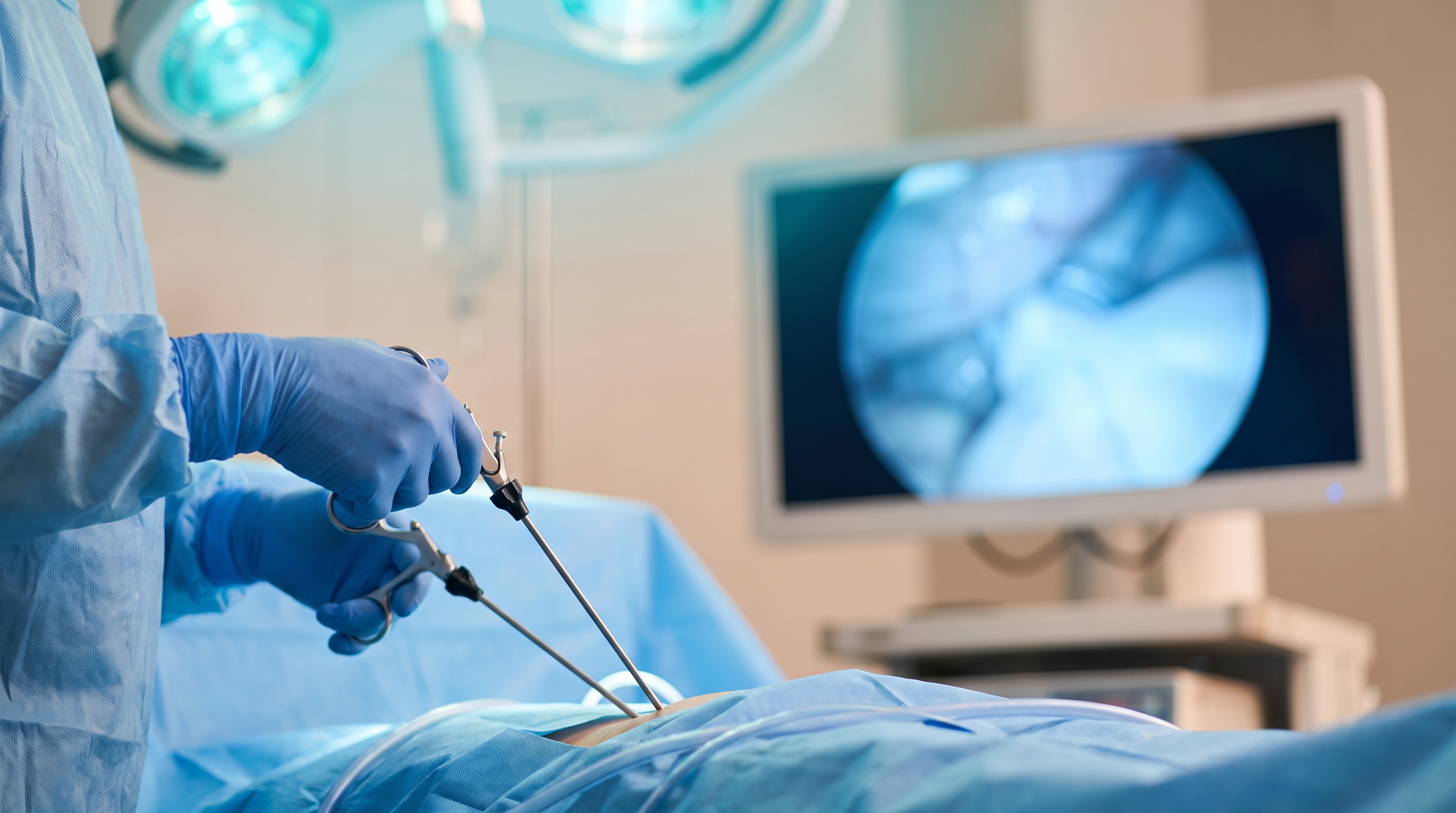
What Is Laparoscopic Surgery?
Laparoscopic surgery is a modern technique that allows many abdominal conditions to be treated through several very small openings rather than a large incision. A high-definition camera and fine surgical instruments are introduced into the abdomen, allowing the procedure to be performed with a clear, magnified view.
Because tissue trauma is reduced, patients generally experience less pain, a shorter hospital stay and a faster return to everyday life. Prof. Dr Levent Avtan applies laparoscopic techniques with a safe, evidence-based and outcome-focused approach backed by more than 35 years of surgical experience.
Advantages of Laparoscopic Surgery
- Smaller incisions, minimal scarring and less tissue trauma
- Significantly less postoperative pain
- Shorter hospital stay and faster recovery
- Earlier return to work and daily activities
- Lower risk of wound infection and complications
- A clearer surgical view through high-definition imaging
Which Operations Use Laparoscopic Techniques?
Laparoscopic surgery is now a standard option for many abdominal procedures, including gallbladder surgery, inguinal and abdominal wall hernia repair, reflux and hiatal hernia surgery, bariatric surgery, appendicectomy and selected colorectal operations.
How Does the Treatment Process Work?
1. Assessment: Your symptoms are reviewed and the required examination and investigations are completed to determine whether laparoscopy is appropriate.
2. Preparation: Your general health and anaesthetic fitness are assessed, and every stage is explained clearly.
3. Surgery: The operation is performed under general anaesthesia using a camera and instruments introduced through small incisions.
4. Recovery and follow-up: Most patients mobilise shortly after surgery and may leave hospital within one or two days, depending on the procedure. Follow-up appointments support a safe recovery.