


What Is Laparoscopic (Keyhole) Surgery? Advantages over Open Surgery
What is laparoscopic surgery, which conditions can it treat, and what advantages does it offer over open surgery?
In recent years, patients have become increasingly familiar with the term “keyhole surgery”. One of the first questions many people ask is whether their condition can be treated without a large incision. When it is appropriate for the patient and performed by an experienced team, laparoscopic surgery can provide a more comfortable recovery and a more satisfactory cosmetic result.
What is laparoscopic surgery?
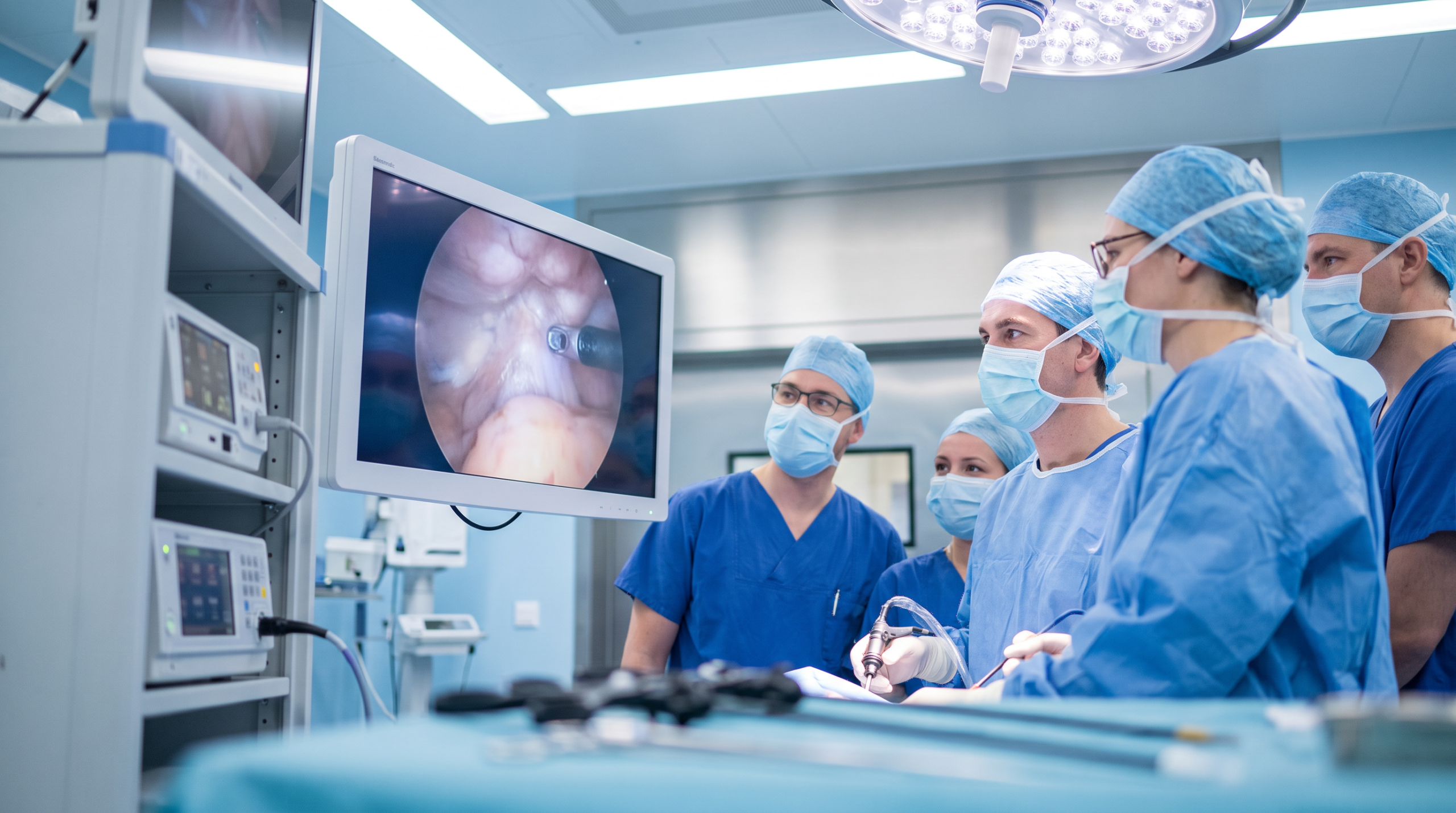
Laparoscopic surgery treats abdominal conditions through several small openings rather than one large incision. A thin high-definition camera called a laparoscope is introduced through one opening. The magnified image is displayed on a monitor while the surgeon operates with fine instruments introduced through the other openings.
The abdomen is gently inflated with carbon dioxide to create a safe working space. Magnification helps the surgeon identify delicate vessels, nerves and tissue planes clearly.
Which conditions can it treat?
- Gallbladder stones and inflammation
- Inguinal and abdominal wall hernias
- Reflux and hiatal hernia
- Bariatric and metabolic conditions
- Appendicitis
- Selected colorectal, adrenal and splenic conditions
Many cancer operations can also be performed laparoscopically when oncological principles can be fully respected. The technique must always be selected according to the disease and the patient’s overall condition.
Advantages over open surgery
- Less pain: smaller incisions generally mean less postoperative discomfort.
- Faster recovery: patients often mobilise on the day of surgery or the following day.
- Shorter hospital stay: many procedures require only one or two nights.
- Smaller scars: the small incisions usually fade considerably.
- Lower wound risk: wound infection and wound complications may be reduced.
Are there limitations?
Laparoscopy is not automatically the best option for every patient. Extensive adhesions from previous surgery, uncontrolled bleeding, emergencies or unclear anatomy may make open surgery safer. Converting from laparoscopic to open surgery is not a failure; it is a responsible decision made to protect the patient.
Recovery after surgery
Most patients start drinking and walking within hours. Temporary shoulder discomfort caused by the gas used during surgery is common and usually settles quickly. Return to desk work may be possible within a week, although heavy lifting should wait until the surgeon confirms that healing is adequate.
When used for the right indication, laparoscopic surgery can offer meaningful medical and quality-of-life benefits. The decision must follow an individual surgical assessment.

Prof. Dr. Levent Avtan
Genel, laparoskopik ve robotik cerrahide bilimsel yaklaşım ve hasta odaklı bakım sunar.